
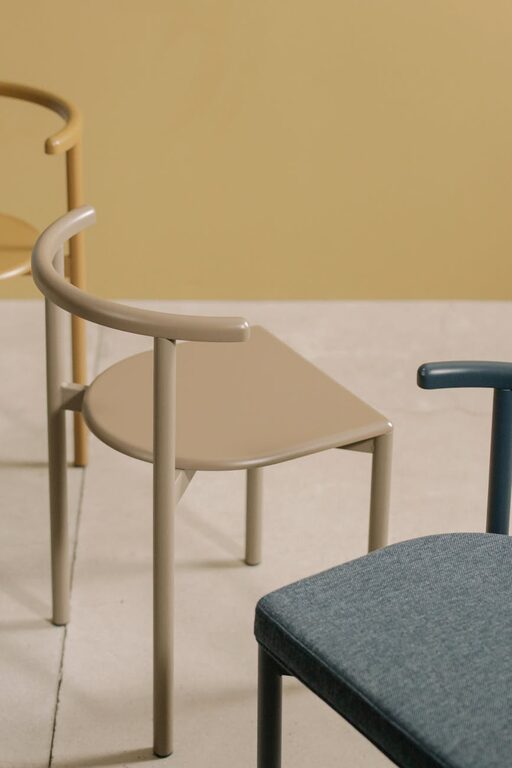
Creating a calm and relaxing atmosphere in your home often starts with one simple element: color. The colors you choose for your walls, furniture, and décor can have a surprisingly strong impact on your mood and the feel of your space. If you’re aiming for a peaceful, soothing environment where you can unwind and recharge, selecting calm colors is key.
In this post, we’ll explore helpful tips on how to choose these colors effectively, ensuring your home feels like a true sanctuary.
Why Color Matters in Your Home
Colors speak to us in subtle ways. Research shows they can affect emotions, energy levels, and overall well-being. Bright, intense colors might energize or excite, while softer hues tend to calm and comfort.
When choosing colors for your living spaces, you want to think about the atmosphere you want to create. Calm colors typically include soft blues, gentle greens, muted neutrals, and pale pastels. These tones tend to reduce stress and encourage relaxation.
Tips for Choosing Calm Colors for Your Home
1. Consider the Purpose of Each Room
Every room serves a different function, and this influences which colors will work best.
– Bedrooms: Ideal for rest and recovery, bedrooms benefit from soft, cool tones like light blue, lavender, or pale gray.
– Living Rooms: Since this is a social space, consider warm but muted tones like beige, soft sage, or dusty rose to encourage calm conversations.
– Bathrooms: Soft aqua or seafoam green can give a fresh, clean, and relaxing vibe.
– Home Offices: Subtle greens or light blues can help reduce stress and boost focus without being overwhelming.
2. Use a Neutral Base with Calm Accents
Starting with a neutral palette—such as whites, creams, or soft grays—provides flexibility for adding calm color through accents like pillows, curtains, or artwork. Neutrals also reflect more light, making spaces feel bigger and more open.
3. Opt for Matte and Soft Finishes
Colors with a matte or eggshell finish tend to look softer and more calming than glossy or high-sheen paints. Avoid overly bright or shiny colors, which can feel harsh and overstimulating.
4. Draw Inspiration from Nature
Nature is an excellent source for calm colors. Think of the soft blues of the sky, muted greens of leaves, or gentle beige tones of sand. Using these natural hues in your home reflects an organic calmness and balance.
5. Test Colors in Different Lighting
The same color can look very different depending on lighting. Test paint samples in your home at different times of day—morning, afternoon, and evening—to see how natural and artificial light affect the hue. This will help you avoid picking a color that feels too dark or too dull in your specific space.
6. Limit the Number of Colors
Keeping your color palette simple and cohesive helps maintain a calm environment. Choose two or three main colors at most, and use varying shades of those colors for variety without chaos.
7. Combine Warm and Cool Tones for Balance
Too many cool tones can feel cold, while all warm tones might feel overwhelming. Mixing warm neutrals or soft peach with cool blues or greens creates an inviting, balanced space.
Color Suggestions for Calm Homes
Here are some calming colors to consider for different parts of your home:
– Soft Blue: Evokes feelings of tranquility and peace.
– Sage Green: Grounding and natural, it promotes relaxation.
– Warm Beige: Neutral and cozy, creates a welcoming vibe.
– Lavender: A gentle pastel that adds a touch of softness.
– Pale Gray: Modern and understated, it pairs well with many accents.
– Blush Pink: Subtle and soothing, great for bedrooms or living rooms.
– Light Taupe: Warm and calming without being dull.
Final Thoughts
Choosing calm colors for your home doesn’t have to be complicated. By understanding the atmosphere you want to create, drawing inspiration from nature, and carefully testing colors in your own space, you can cultivate a relaxing environment tailored just for you.
Remember to keep your palette simple, use soft finishes, and balance warm and cool tones for best results. With these tips, your home will become a peaceful retreat where you can relax, refresh, and enjoy every moment.
—
If you liked this guide, be sure to check out other posts on home décor and color inspiration to keep turning your living space into the ideal sanctuary. Happy decorating!