
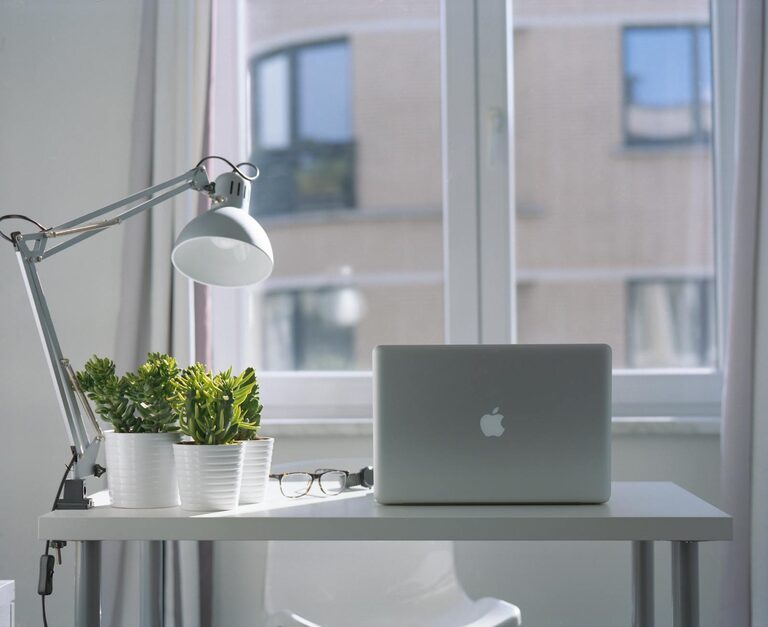
Creating a dedicated and relaxing home workspace is essential for maintaining productivity and well-being, especially when working remotely. Without a proper setup, it’s easy to feel distracted, tense, or overwhelmed. Fortunately, designing a calming workspace can be straightforward with a few thoughtful adjustments. This guide will walk you through practical steps to create a home office environment that helps you stay focused while feeling relaxed.
Why a Relaxing Workspace Matters
A relaxing workspace isn’t just about aesthetics—it directly impacts your ability to concentrate and your overall comfort during work hours. When your environment feels calm and organized, it can reduce stress and mental fatigue, allowing your creativity and efficiency to flourish. On the other hand, cluttered or noisy spaces can cause distractions and decrease motivation.
Step 1: Choose the Right Location
Selecting the ideal spot for your home workspace sets the foundation for a relaxing environment.
– Find a quiet area: Aim for a location with minimal foot traffic and noise.
– Natural light: Position your desk near a window if possible. Natural light enhances mood and alertness.
– Private space: If you share your home, choose a spot where you can close a door or use room dividers to maintain privacy.
Step 2: Invest in Comfortable Furniture
Comfort is key to maintaining focus during long work sessions.
– Ergonomic chair: Choose a chair that supports your lower back and encourages good posture.
– Adjustable desk: Whether sitting or standing, an adjustable desk can reduce strain.
– Proper desk size: Ensure your desk has enough space for your computer, documents, and accessories without feeling cramped.
Step 3: Declutter and Organize
An organized workspace reduces distractions and promotes a clear mind.
– Clear the surface: Keep only essential items on your desk.
– Use storage: Drawers, shelves, and organizers can keep supplies tidy.
– Cable management: Use clips or sleeves to keep cords untangled and out of sight.
Step 4: Personalize Your Space
Adding personal touches can make your workspace inviting without making it distracting.
– Plants: Small indoor plants improve air quality and add a calming, natural element.
– Artwork: Displaying artwork or photos that inspire you can boost mood.
– Color choices: Incorporate soothing colors like soft blues or greens, which can enhance relaxation.
Step 5: Control Lighting and Sound
Proper lighting and sound levels contribute significantly to your comfort.
– Lighting: Use a combination of natural, overhead, and task lighting to reduce eye strain.
– Window treatments: Curtains or blinds help control glare and adjust light levels.
– Sound: Consider noise-canceling headphones or ambient music to mask distracting noises.
Step 6: Maintain Air Quality and Temperature
A comfortable climate supports better focus and comfort.
– Ventilation: Open windows regularly or use an air purifier for fresh air.
– Temperature: Keep the room at a comfortable temperature, ideally between 68-72°F (20-22°C).
– Humidity: Use a humidifier or dehumidifier if needed, to avoid dryness or excess moisture.
Step 7: Establish Boundaries and Routine
The mindset you bring to your space can enhance its relaxing qualities.
– Set working hours: Define your start and end times to create work-life balance.
– Breaks: Take regular breaks and step away from your desk to avoid burnout.
– Daily setup: Take a few minutes each morning to tidy your space and prepare for the day.
Bonus Tips for Enhanced Relaxation
– Aromatherapy: Use a diffuser with calming scents like lavender or eucalyptus.
– Mindfulness tools: Keep a stress ball or a small meditation corner nearby.
– Healthy snacks and water: Keep hydrated and nourished to maintain energy.
—
Creating a relaxing home workspace doesn’t require a complete overhaul of your home. By making intentional choices about location, furniture, organization, and ambiance, you can build a space that supports both your productivity and well-being. Remember, your workspace should be a place where you feel comfortable and motivated. Start with small changes and adjust as you go to discover what works best for you.