
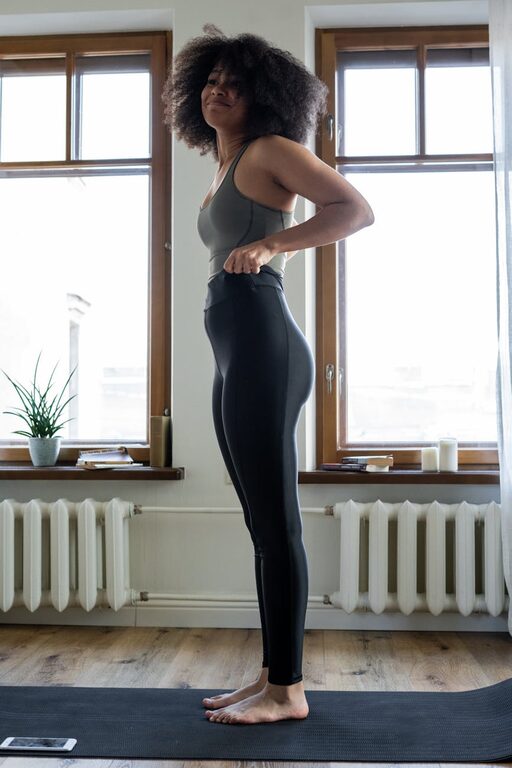
Stretching is a simple yet powerful way to improve your flexibility, reduce muscle tension, and promote overall wellness. Whether you’re looking to enhance your fitness routine or simply want to feel more relaxed and limber, stretching at home can be a convenient and affordable option. This beginner’s guide will walk you through the basics of stretching, provide safe and effective stretches to try, and share tips on creating a consistent routine.
Why Stretching Matters
Stretching helps lengthen your muscles and improve joint range of motion. Over time, it can increase flexibility and prevent injuries. Sitting for long periods or leading a generally inactive lifestyle can cause muscles to tighten, leading to discomfort or stiffness. Regular stretching can counteract these effects and support your daily movements, whether you’re walking, exercising, or performing everyday tasks.
Benefits of Stretching at Home
– Convenience: No need to visit a gym or studio.
– Affordability: No equipment or membership fees required.
– Flexibility: Stretch anytime that fits your schedule.
– Improved posture: Stretching tight muscles can enhance posture.
– Stress relief: Gentle stretches calm the mind and body.
Getting Started with Stretching
Before you begin, it’s important to keep safety in mind:
– Warm up first: Stretch after light activity, like a 5-minute walk, to avoid injury.
– Move slowly and gently: Avoid bouncing or jerking movements.
– Breathe: Maintain slow, steady breaths while holding each stretch.
– Don’t push to pain: You should feel tension but never sharp or intense pain.
– Hold stretches: Aim to hold each stretch for 15 to 30 seconds.
Essential Stretches for Beginners
Here are some basic stretches you can do at home to target major muscle groups. Remember to start slowly and focus on how your body feels.
1. Neck Stretch
– Sit or stand with a straight back.
– Gently tilt your head to one side, bringing your ear toward your shoulder.
– Hold for 20 seconds, then repeat on the other side.
2. Shoulder Stretch
– Bring one arm across your chest.
– Use the other arm to gently pull it closer to your body.
– Hold for 20–30 seconds, then switch arms.
3. Chest Opener
– Stand with your feet shoulder-width apart.
– Clasp your hands behind your back and straighten your arms.
– Lift your chest and gently squeeze your shoulder blades together.
– Hold for 20 seconds.
4. Seated Forward Bend
– Sit on the floor with legs extended straight.
– Inhale deeply, and as you exhale, hinge at your hips to lean forward.
– Reach toward your toes without forcing it.
– Hold for 20–30 seconds.
5. Cat-Cow Stretch (Spinal Mobility)
– Begin on all fours with hands under shoulders and knees under hips.
– Inhale and arch your back (cow pose), lifting your head and tailbone.
– Exhale and round your spine (cat pose), tucking your chin toward your chest.
– Repeat for 5–10 rounds.
6. Butterfly Stretch
– Sit with your feet together and knees bent out to the sides.
– Hold your feet and gently press your knees toward the floor.
– Hold for 20–30 seconds.
7. Standing Hamstring Stretch
– Stand with feet hip-width apart.
– Step one foot forward and keep it straight.
– Hinge at your hips to lean forward slightly over your extended leg.
– Hold for 20 seconds, switch sides.
Tips for Building a Stretching Routine
– Set a schedule: Pick times that work best for you, like morning or before bed.
– Start small: 5–10 minutes daily is great for beginners.
– Use reminders: Phone alarms or calendar notes can help build consistency.
– Listen to your body: Adapt stretches based on how you feel each day.
– Combine with other activities: Stretch before or after workouts, walking, or yoga.
– Stay hydrated: Drink water to keep muscles supple.
Common Stretching Mistakes to Avoid
– Skipping warm-up: Cold muscles can get injured more easily.
– Bouncing: This can cause muscle strains.
– Holding breath: Breathing deeply helps muscle relaxation.
– Forcing flexibility: Progress takes time; avoid overstretching.
– Ignoring pain signals: Discomfort is normal, pain is not.
When to Consult a Professional
If you have any existing injuries, chronic pain, or health conditions, consider speaking with a healthcare provider or physical therapist before beginning a stretching routine. They can tailor recommendations to your specific needs and help you avoid undue risks.
Final Thoughts
Stretching at home is a gentle, effective way to support your body’s health and improve flexibility. With daily practice, you’ll likely notice reduced stiffness, better posture, and a greater overall sense of ease. Remember to be patient with your progress and enjoy the moments of calm and focus that stretching can bring.
Ready to get started? Choose a few stretches from this guide and try them out today — your body will thank you!